
Electric vehicles (EVs) are revolutionizing the car industry with their sustainable and technology-forward design. But just like with any car, electric vehicles need some care to keep on ticking for long and productive lifecycles. You can extend the life of your car, enhance its performance, and eventually raise its trade-in value with wise charging and maintenance practices and a little vehicle knowledge.
This complete guide delves into the hands-on approach for the EV owner to maximize the life of their car.
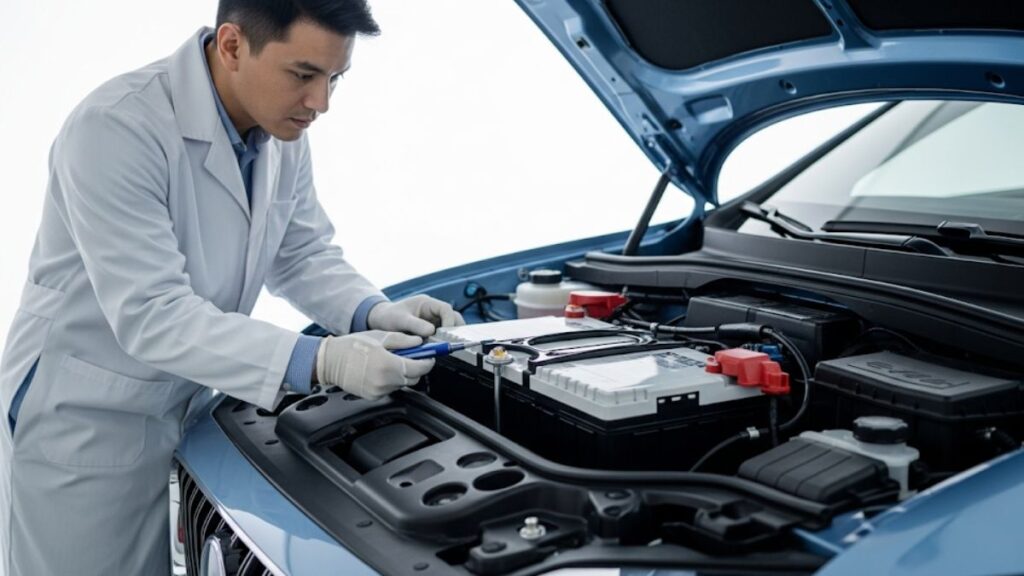
Why Is Maximizing the Life Cycle of an EV Important?
Extending the EV life cycle doesn’t just save you cash; it can also make it a more sustainable investment. EVs depend heavily on their battery packs, which are both the most expensive and essential component.
Longer-life batteries are fundamental to the vehicle’s range, performance, and overall life. In addition, upkeep on your EV protects you, lowers repair costs, and helps maintain the environmental benefits of driving electric by reducing waste and resource use.
Following green driving tips, EV owners drive the car for a long time, keep a high resale value, and help the environment sustainably. Let’s examine how to accomplish this:
How to maximize battery life?
The battery is the most important part of an EV, and how long it lasts will play a significant part in how long the car’s life cycle can be stretched. Here are some proven practices to help maintain your EV’s battery:
1. Avoid Extreme Charging Habits
Charging your EV all the way to 100% or discharging it to 0% too frequently can strain the battery. Usually, manufacturers advise maintaining the battery charge somewhere between 20 and 80 percent for everyday use.
This spread helps to reduce wear on lithium-ion cells, which lose capacity as they age. If possible, control the charge using settings on your EV.
2. Manage Temperature Exposure
Battery performance can also be reduced by high- or low-temperature extremes. If possible, park in shaded spots or garages and avoid overheating, particularly in the summer months.
In cold environments, preheat your EV while parked and plugged in to warm the battery before driving. It maintains efficiency and lessens stress.
3. Use DC Fast Charging Sparingly
Although DC fast chargers are useful for long journeys, repeated usage can cause the battery life to decrease more quickly from extreme heat creation. Use Level 2 home charging as much as you can, for it is much easier on the battery.
4. Schedule Regular Software Updates
Software updates to improve battery management system algorithms are commonly issued by manufacturers. Such updates can enhance performance, range, and battery life. Contact your dealer or manufacturer to see whether your EV’s software is current.
By following these best practices, you can help increase the longevity of your electric vehicle (EV) battery, which can last 8–15 years or more when well cared for.
What Maintenance Practices Extend EV Longevity?
Compared to ICE vehicles, with their thousand-plus moving parts, EVs are simpler, and as such require less maintenance. But there’s still a need for maintenance. Here’s what you need to pay attention to:
1. Monitor Tire Health
EVs are heavier than gasoline vehicles thanks to their bulky battery packs, which places additional stress on tires. Inspect tire pressure on a monthly basis to make sure they are properly inflated; underinflated tires can decrease efficiency and are more prone to wear and tear. When tires are worn evenly, they last longer, so rotate your tires every 6,000 to 8,000 miles.
2. Maintain Brake Systems
EVs have regenerative braking that avoids some brake pad wear. But even so, brakes need to be checked out periodically to make sure they’re doing their job. Get your brakes inspected at least once a year, or as often as your owner’s manual recommends.
3. Inspect Cooling Systems
Batteries and motors of electric vehicles need cooling systems to control temperatures. Modify pipes and inspect coolant regularly; the shuttle should not be blocked, and no leakage should be present. Adhere to your manufacturer’s recommended schedule for having your coolant replaced.
4. Keep the Inside and Outside Clean
Washing your EV (especially if you live in an area with a lot of road salt or harsh weather) can also protect the exterior from corrosion. Keep the inside of the car fresh to prevent weight on cushions and gadgets and preserve the resale value.
By keeping up with maintenance, you should be able to head off expensive repairs and keep your EV running well for years.
How Does Driving Style Impact EV Longevity?
Your driving pattern can have a big impact on your EV’s life cycle. Hotfooting it, i.e., nailing the throttle or doing hard stops, is hard on the battery and other things. Here’s how to drive smarter:
1. Embrace Smooth Driving
Additionally, softer braking and acceleration prolong the life of the motor and battery. Get energy back and save wear on brakes with regenerative braking.
2. Leverage Eco Mode
Most EVs have an eco or efficiency mode that maximizes power efficiency. Enabling this mode can lessen the stress on the battery and maximize range, particularly in city situations.
3. Plan Efficient Routes
Plan routes that minimize energy consumption by using navigation systems with EV options. Where possible, avoid hilly terrains or stop-and-go traffic, as these scenarios can cause the battery to drain more quickly.
With an energy-focused driving style, such wear and tear can be minimized, and the range and lifespan of the EV could be maximized.
Why Should You Invest in Proper Charging Infrastructure?
Charging is key for the longevity of EVs. Why home charging is a win for the car you’re driving: here’s why:
1. Install a Level 2 Charger
Also, a Level 2 240V charger also charges faster than a normal 120V outlet, right? It shortens charging time, extends battery life, and maintains performance. Be sure to consult with a certified electrician to have the right charger for your EV installed.
2. Use Smart Charging Features
Numerous EVs and chargers include smart features, allowing drivers to schedule charging during off-peak hours. Not only does this save on electricity costs, but it also reduces the strain on the battery by not using it when it’s most hot or when demand is high on the grid.
3. Protect Charging Equipment
To avoid damage, keep charging cords and connections clean and kept correctly. To guarantee safe and effective charging, check them frequently for wear or fraying.
The whole EV ownership experience is improved, and battery health is supported by a well-maintained charging configuration.
Why Is The Regular Professional Servicing So Important?
Although EVs need less maintenance than gas-powered cars, they too need professional servicing. Regular inspections with an authorized EV technician are required to:
- Identify problems in advance and discover the battery or motor issues.
- Keep your software and firmware updated.
- Check up on high-voltage systems that require an expert touch.
Stay on top of maintenance. Your manufacturer’s recommended service intervals are typically 12–24 months, even for EVs.
How Can You Maximize Resale Value?
A well-kept EV has better resale value, so it’s a solid money decision. Here’s how to make your EV more marketable:
- Maintain clear records of when the maintenance was done to show good care.
- Keep the batteries healthy to maintain range, a key issue for buyers.
- Steer away from aftermarket add-ons that may void warranties or turn off buyers.
- Before you sell, make your auto look clean and detail the vehicle.
If you take good care of it with maintenance, you can even command a higher price when it’s time to sell or trade in your EV.
Why Should We Be Aware Of EV Technology?
That said, EV technology is progressing too quickly to make up for what is lost. Staying informed allows you to:
- Implement new maintenance and charging best practices.
- Leverage software updates to optimize performance.
- Learn about new trends like bidirectional charging that could make your EV more useful.
Keep an eye on trusted sources, like manufacturer sites or EV forums or trade publications.
Conclusion
You can ensure that your EV will last you just as long by simply charging smartly, getting routine maintenance, driving mindfully, and keeping track of a few things.
With a focus on battery health, investing in the right charging infrastructure according to your needs, and focusing on manufacturer guidelines, you can drive many years with this type of incredibly dependable and environmentally responsible automobile to make space for the natural world.
Not only will these practices prolong the life of your EV, but they also improve performance, safety, and resale value, ensuring the investment was well worth it.
Begin using these tips today to keep your electric vehicle (EV) a trustworthy companion after decades of use. For additional advice or professional servicing, contact your EV manufacturer or an authorized technician.