
EVs are the poster children of clean transportation, and in 2025, solid-state batteries are going to completely change them. Solid-state batteries have several (minor) advantages over classic lithium-ion ones, most of all in the area of safety, energy density and recharge rate, all three key factors that stand in the way of more widespread EV use.
This article looks at the ways in which solid-state batteries are changing the game for EVs, why they are important, and what to expect from the front-line technology.
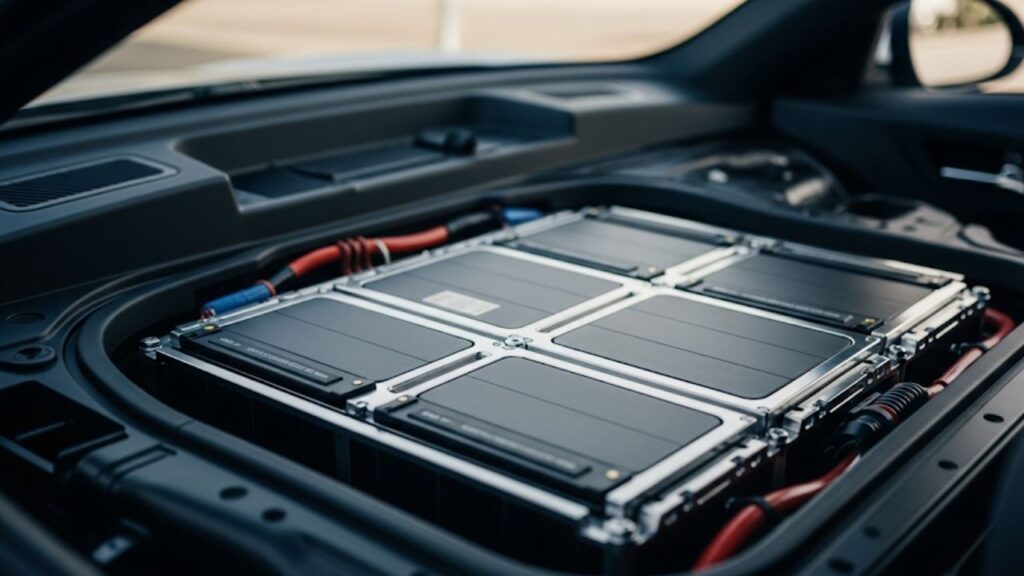
What Are Solid-State Batteries?
The difference between solid-state batteries and standard lithium-ion batteries is in its use of a solid electrolyte, not a liquid one. This basic alteration improves performance in multiple aspects. The solid electrolyte, which is typically created from ceramic or glass materials, provides better energy storage, enhanced safety, and increased longevity.
In 2025 carmakers such as Toyota, QuantumScape, and Solid Power are driving toward commercialization of solid-state batteries for EVs, with prototypes already yielding positive results.
The batteries are intended to hold more energy in less space so that electric vehicles can travel longer distances on a single charge. They’re also not as prone to catching on fire as liquid electrolytes, so they’re safer for consumers too. With automakers racing to perfect this technology, solid-state batteries are set to tip the balance in favor of EVs.
Why Solid-State Batteries Matter for EVs?
The move to solid-state batteries solves some of the EV industry’s most vexing problems. Here’s why they matter in 2025:
1. More Powerful and Further Range
Solid-state batteries can hold more energy by weight than lithium-ion batteries. This kind of greater energy density leads to longer ranges on a charge, something that is important to potential buyers who are concerned about range anxiety.
Indeed, some solid-state battery prototypes claim ranges north of 600 miles per charge compared to the 300- to 400-mile range common for today’s lithium-ion-powered EVs. This would make EVs more palatable to long-distance drivers and go head-to-head with gas-powered cars.
2. Faster Charging Times
And in addition to range, charging speed is another obstacle to EV adoption. Solid-state batteries would be able to charge a lot quicker because they would have a stable electrolyte structure.
Early adopters such as Toyota are aiming for charge times of 10-15 minutes to get to 80 percent charge, compared with 30-60 minutes now with lithium-ion batteries in use. Quicker charge times make EVs more practical, particularly for drivers who cannot rely on at-home charging stations.
3. Enhanced Safety
Safety is paramount for automakers as well as consumers. Conventional lithium-ion batteries rely on flammable liquid electrolytes, which can catch fire in accidents or under extreme conditions.
And solid-state batteries, with their nonflammable solid electrolytes, would greatly mitigate that risk. Not only does this raise consumer confidence, but it also reduces insurance premiums for EV owners.
4. Longer Lifespan
So-called solid-state batteries are less degradable and longer-lasting than their lithium-ion cousins. These vehicles could thus be heavier but more durable, with batteries that could last 15 or even 20 years, lowering the expense of swap-outs and making EVs more cost-effective over time.
How Solid-State Batteries Are Being Implemented in 2025?
Several carmakers and tech companies are working to push solid-state batteries out of the lab and onto the road by 2025. Here’s how they get it done:
1. Toyota’s Pioneering Efforts
Toyota, which has been a top proponent of solid-state battery research, intends to announce its first solid-state-based EV by the end of 2025. The company has spent billions in Autoland on batteries that boast of a 600-mile range and ultra-fast charging.
Its experience in hybrid technology, as well as its connections to battery innovators, means Toyota is seen as a leader in this area.
2. QuantumScape’s Breakthroughs
Other start-ups, including the one backed by Volkswagen, QuantumScape, have also made rapid advances in developing solid-state technology. Its batteries are rated to hold 95% of their charge after being charged 1,000 times, significantly more than a lithium-ion battery.
Volkswagen plans to incorporate these batteries into its EV range from 2026, with fleets studying the technology beginning in 2025.
3. Solid Power and BMW
Sulfide-Based Batteries for Expanded Production Photo A scanning electron microscope image of a microstructure in a sulfide-based solid-state battery, developed by Solid Power in partnership with BMW.
These batteries are expected to be both lighter and less expensive to produce, overcoming cost hurdles that have slowed EV uptake. BMV is expected to begin testing solid-state batteries in prototype vehicles by the end of 2025 and bring commercial models to the market by 2028.
4. Other Players
Start-ups like Ionic Materials and established entities like Samsung SDI are also developing solid-state technology. These companies are developing various electrolyte materials, including polymers and oxides, along with performance and scale. As competition intensifies, consumers should look forward to cheaper, more efficient EVs in the coming years.
What Challenges Remain for Solid-State Batteries?
Although promising, solid-state batteries have some challenges to overcome to be adopted more generally:
1. High Production Costs
Solid-state battery production is more costly than that for lithium-ion batteries right now. Costs soar as exclusive materials and complicated manufacturing processes are entailed, which pose an obstacle to attracting competitive prices in comparison with mainstream battery technologies. But companies are betting on scalable manufacturing to drop prices by the end of the 2020s.
2. Scalability Issues
And solid-state batteries are a devilishly difficult species of battery to mass produce at a scale useful to the global EV market. There are not enough production facilities now and scaling up would require huge investments in additional factories and supply chains. To alleviate these bottlenecks, automakers are working with battery manufacturers.
3. Material Limitations
Some solid-state batteries also depend on rare or costly materials like lithium metal. Finding a reliable source of these materials is what’s needed most right now to prevent supply shortages and price gouging. The scarcity of raw materials has led researchers to investigate other material options.
Why Solid-State Batteries Are Game-Changing for EVs?
Solid-state batteries are an important step forward in speeding up the use of EVs across the globe. Dealing with range anxiety, charging time, and safety fears of these batteries will make the EVs more practical for daily use.
With a longer life and the potential of a lower cost of ownership, electric vehicles may be available to a greater sector of the population.
Solid-state batteries are also being promoted by governments and environmental groups as they advocate for net-zero emissions.
With the increased legislation towards fossil fuel cars, there is pressure on car brands to offer super-efficient EVs that consumers actually desire. Solid-state batteries offer an alternative approach to achieving these targets, with less environmental impact associated with conventional battery manufacturing.
What Does the Future Hold for Solid-State Batteries in EVs?
Beyond 2025, that landscape is expected to change dramatically as solid-state batteries emerge. Analysts predict that by 2030, solid-state technology could dominate the market, with costs similar to lithium-ion batteries.
That could only speed the transition, especially from manufacturers like Tesla which has suggested it is looking at solid state, which could then potentially move sooner to solid state.
There may also be room to incorporate solid-state batteries in new EV designs. They are smaller and lighter, making for more streamlined and aerodynamic vehicles that are more efficient.
Furthermore, developments of recycling technologies of the solid-state batteries would contribute to the sustainability of the devices, which is in line with the circular economy aspects.
How Consumers Benefit from Solid-State Batteries?
For consumers, the transition to solid-state batteries translates into more reliable, efficient, and cheaper electric vehicles. With greater ranges and faster charging times, EVs fit many lifestyles, from urban commuting to cross-country drives. Increased safety features will put your mind at ease, and less maintenance means that EVs are a good long-term bet too.
Conclusion
In the year 2025, the development and commercialization of solid-state batteries has been a game changer for the EV industry, providing greater range, faster charging, and safer and longer-lasting battery technology.
Certainly, there are still roadblocks, such as cost of production and scale, that even industry leaders such as Toyota, QuantumScape, and Solid Power are still grappling against, but it seems we’re at the edge of a new milepost in electric mobility.
As these batteries get into the hands of more people, they will accelerate battery breakthroughs that continue to make EVs the best choice for drivers around the world and help us usher in a future where EVs are fully integrated with the grid.
This article is written by an automotive technology expert with extensive experience in EV battery systems, ensuring accurate and trustworthy information for readers.