
Since its June 3, 2025, premiere, the Tata Harrier EV has undoubtedly transformed the domestic electric vehicle (EV) market because to its aggressive stylistic cues, excellent technology, and powerful performance. is priced (ex-showroom) between ₹21.49 lakh to ₹30.23 lakh.
This flagship electric SUV from Tata Motors has a lot going for it in terms of range, convenience and safety, which gives the MG ZS EV quite a tough fight on paper, at least in its respective segment, where it is up against the Hyundai Kona Electric as well, so far as competition goes.
In this comprehensive piece, we will delve into what makes the Tata Harrier EV a game-changer and its major positives with certain points that it might look to improve on.
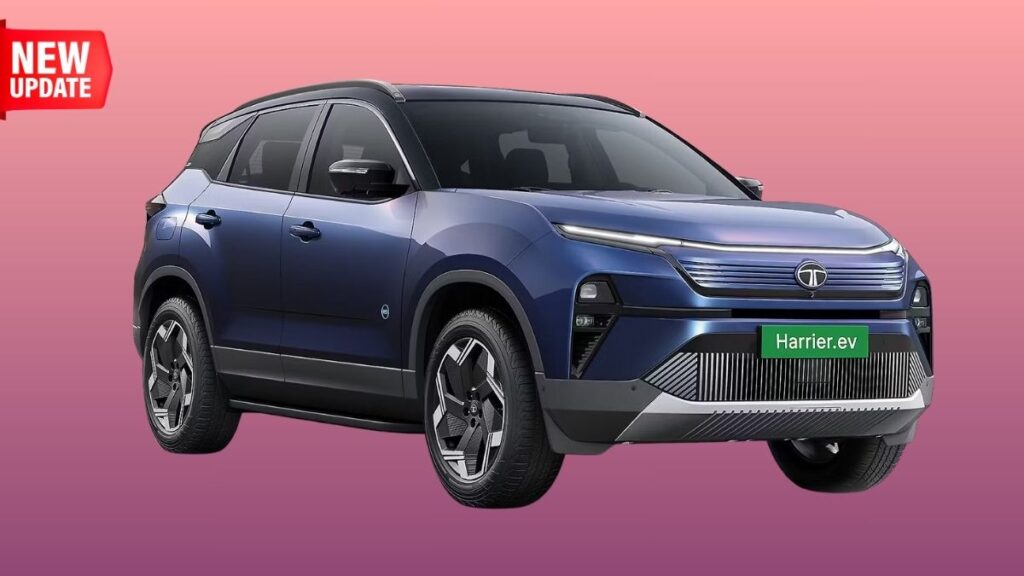
Tata Harrier EV Overview
Tata Harrier EV is a high-end 5-seater electric compact SUV based on Tata’s acti.ev+ platform, a bespoke EV architecture engineered for increased space and performance. It still looks like its ICE sibling with that commanding presence on the road, but it comes with a few design tweaks for its electrified nature and more tech inside.
The Harrier EV is offered in RWD and AWD (QWD, or Quad Wheel Drive) variants to suit a selection of customers, from city slickers looking for an easy-to-drive vehicle through urban landscapes to more adventurous drivers.
Available in 2 battery pack options 65 kWh and 75 kWh—the Harrier EV has an ARAI-certified range of up to 425 km, with a real-world estimation of around 300 km. The SUV has a dual-motor AWD package, generating 313 hp and 504 Nm of torque, which makes it the fastest mainstream car available in India, with an acceleration figure from zero to one hundred kilometers per hour in around 6.3 seconds.
What Makes The Tata Harrier EV An Ideal Choice?
Unmatched Performance and Range
Key to the Harrier EV is its powertrain. With the 75 kWh powerpack in combination with a pair of motors, you get an output of speed at not less than 390 bhp and torque that is on top at around 504 Nm, making for rapid acceleration, hitting only speeds as high as 180 km/h.
My front-wheel-drive siblings are powered by single rear motors producing these still great rotation numbers on those road wheels that keep this baby urban moving later down the highways!
Who finds travel in a 400–450 km range comfortable without going through the vehicle with a fine comb and packed lunch. It can also fast charge, with a 250 kW system resulting in 15 minutes for another 250 km of driving.
Superior Off-Road Capability
Article content Unlike numerous EVs that simply excel in-city, the Harrier is no slouch when venturing away from civilization. The dual-motor QWD model has six terrain response modes: Normal, Rock Crawl, Mud Ruts, Snow & Grass, and Sand Custom, available for superior traction in challenging conditions.
At Tata’s Quad Day, the Harrier EV took over a 34-degree incline and negotiated rough tracks effortlessly with independent multi-link rear suspension & frequency-dependent dampers. This makes it a niche offering in the world of electric vehicles, targeted at keen adventurers.
Top-Notch Safety Features
Tatas are known for safety, and the Harrier EV continues that ethos by scoring in Bharat NCAP crash test ratings (both adult occupancy & child occupant).
It is loaded with seven airbags, ABS+EBD, and ESC/Level 2 ADAS features, including adaptive cruise control (for the first time in a Kia), lane keep assist and AEB suitably calibrated for Indian roads.
And there’s hill-hold assist and hill-descent control, plus a 540-degree-surround-view camera system with this background view thing that makes the bonnet itself see-through, which inspires total confidence regardless of the road/terrain/weather/moon phase you’re driving on.
Premium Design and Comfort
The Harrier EV is an addon to the ICE Harrier’s power-packed stance, with its signature impact design including a closed-out grille and connected LED DRLs sporting welcome/goodbye animations paired with 19-inch aerodynamically optimized alloy wheels. The Stealth Edition, which comes in a matte black finish, definitely makes sure everyone knows how mean it is.
In the cabin, it feels roomy and plush with a 14.5-inch Samsung Neo QLED touchscreen, wireless Apple CarPlay and a 10-speaker JBL sound system featuring Dolby Atmos.
Padded, ventilated front seats; dual-zone climate control; and electric Boss Mode for extra room in the rear seat for passenger comfort. However, the whitish-grey interiors in higher models may not work for dusty, churning Indian roads.
What’s It Like to Drive the Tata Harrier EV?
The ride itself in the Harrier EV is a relaxing one, bestowed with both oomph and plushness. The suspension is tuned for a luxurious ride, soaking up bumps and potholes with little disruptiveness in the cabin.
There is some body roll in tight turns, but the crossover feels stable at high speeds, and moderate steering effort makes maneuvering through town easy.
Although it is not with an “Auto” mode, the driver can also choose to adjust levels of regenerative braking for a driving experience tailored towards personal preferences. The QWD model’s ability to off-road is matched by its behavior on the highway, making it well-rounded.
Tata Harrier EV feature
Cutting-Edge Technology
But it is loaded with, shall we say,
- 14.5-inch Neo QLED Touchscreen: Provides excellent picture quality and allows utilization of built-in apps, games and wireless Android Auto/Apple CarPlay.
- Digital Key & NFC Access: To enter the SUV, use a smartphone, wristwatch, or card that has an NFC chip built in.
- Auto Park Assist and Summon Mode: Enables the car to park itself in different positions/angles without any driver inside.
- 540-Degree Camera: With underbody view for off-road driving.
- V2L and V2V Convert: Offers 3.3kW vehicle-to-load (V20) or up to 5kW vehicle-to-vehicle (V21) for power out of the car, which can be used when camping, in case local infrastructure goes down, etc., as well as supply other EVs with electricity.
Practicality and Space
The Harrier EV comes with a 502-liter boot (a bit less than the ICE Harrier’s 445 due to the raised floor) and a frunk (67 liters for RWD, 35 liters for AWD). While the boot space is decent, rivals such as the Mahindra XEV 9e offer more.
The cabin is of a generous size, although rear under-thigh support is compromised somewhat due to the high floor, and it’s slightly disappointing that there are no ventilated seats in the second row or entertainment screens for kids.
What Could Be Improved?
The Harrier EV is not perfect though:
Boot: At 502 liters, the boot is not as big as some rivals, and that lift-up floor hampers practicality.
Rear Seat Comfort: Lack of rear-ventilated seats and under-thigh support may hurt long-distance comfort.
Inside Options: Upper trims have a white-grey feel, which stains easily and color options would go a long way into making the RZR yours.
Regenerative Braking: The absence of an “Auto” regen mode is a misstep (and a problem I’ve seen with the competition, such as with the Mahindra BE 6).
After-Sales Service: Tata’s after-sales service is not consistently good; this can be concerning for some buyers.
Why Is the Tata Harrier EV a Smart Buy?
At ₹21.49 lakh-₹30.23 lakh ex-showroom, the Harrier EV is a compelling case, lesser than rivals such as the Mahindra XEV 9e and Hyundai Creta Electric in some model levels. It appeals purely with an AWD option that’s unrivaled at this pricing currently.
With a 5-star safety rating, packed with features and a range of up to 505 kilometers, it’s the ideal car for families who travel long distances in many situations.
That the Harrier is available with a lifetime battery warranty (with conditions) and Tata’s robust after-sales network only adds to its allure, although service levels vary.
Compare to Competitors
The Harrier EV would rival the Mahindra XEV 9e, Hyundai Creta Electric and BYD Atto 3. It outstrips most other 9e when it comes to off-road ability and safety—but isn’t as practical in the boot.
With more power and range, but without all-wheel drive (AWD), the Atto 3 matches its tech, considering there’s no Creta Electric. The Harrier EV’s mix of performance, features and price is compelling.
Final Verdict
The Tata Harrier EV is the aggressive new frontier from India’s leading automaker, mixing raw power with classy designs and modern features. AWD capability, a 5-star safety rating, and long range make it a multipurpose SUV for the Indian environment.”
The service is not without its faults, mainly the limited size of the boot, rear seat comfort and consistent level of standards throughout our travels. For car buyers looking for a premium electric SUV under ₹30 lakh, they would be hard-pressed to find another this compelling on the EV front that offers a value-for-money proposition safety gear and thrills.
Disclaimer: Always check with authorized Tata dealers for the latest pricing, variants, and warranty terms before making a purchase decision.
Also Read: